Navigating Surprise Medical Bills and The No Surprises Act
Said Nago
Published on

It is one of the most frustrating and financially toxic experiences in the American healthcare system. You do your due diligence. You choose a hospital that is in your insurance network for a planned surgery or an emergency. You pay your deductible and your copays. Then, weeks later, you receive a series of unexpected, often massive bills from doctors you don't even remember seeing—an anesthesiologist, a radiologist, a pathologist—all of whom were out-of-network.
This is surprise billing, also known as balance billing. It occurs when an insured patient receives care at an in-network facility but is unknowingly treated by an out-of-network provider. The out-of-network provider then bills the patient for the difference between their full, undiscounted charges and the amount the patient's insurance was willing to pay. This "balance" can be thousands or even tens of thousands of dollars, leaving patients with a financially devastating bill they had no way of anticipating.
For years, this practice has been a plague on consumers. But a landmark piece of federal legislation has changed the game. The No Surprises Act, which went into effect on January 1, 2022, provides sweeping new federal protections against surprise medical bills. Understanding your rights under this law is a critical form of financial self-defense. This guide will break down what surprise billing is, how the No Surprises Act protects you, and what to do if you receive a bill you think is unfair.
The Anatomy of a Surprise Bill
The problem arises from the fractured nature of healthcare delivery. While you can choose your hospital, you often have no control over the individual specialists who are involved in your care, especially in an emergency. Common scenarios that lead to surprise bills include:
- Emergency Room Visits: You are rushed to an in-network emergency room. The ER doctor who treats you, however, may be part of an independent physician group that does not have a contract with your insurance company.
- Ancillary Services during Surgery: You have a planned surgery at an in-network hospital with an in-network surgeon. However, the anesthesiologist who puts you to sleep, the radiologist who reads your X-ray, or the pathologist who analyzes a tissue sample may be out-of-network. You have no ability to choose these providers.
- Ambulance Transportation: You call 911 and are taken to the hospital. The ambulance company that transports you may not be in your insurance network.
In all these cases, you did everything right by staying "in-network," but were unknowingly treated by an out-of-network provider.
Your New Shield: How The No Surprises Act Protects You
The No Surprises Act creates a powerful set of rules to protect patients in these specific, vulnerable situations. The law makes it illegal for out-of-network providers to balance bill you for most emergency and non-emergency services received at in-network facilities.
Key Protections:
- Emergency Services: The law bans surprise billing for most emergency services, including care you receive from out-of-network providers at out-of-network facilities. Your cost-sharing for these services (your deductible, copays, and coinsurance) must be calculated as if the provider were in-network.
- Post-Emergency Stabilization: These protections continue until you are stable and can be safely transferred to an in-network facility.
- Non-Emergency Services at In-Network Facilities: The law bans surprise billing from out-of-network ancillary providers (like anesthesiologists, radiologists, pathologists, and assistant surgeons) who provide services at an in-network hospital or ambulatory surgery center. Again, you can only be charged your normal in-network cost-sharing amounts.
- Air Ambulance Services: The law includes protections against surprise bills from out-of-network air ambulance services. (Note: Ground ambulance services are unfortunately not included in the federal law at this time, though some states have their own protections).
The Independent Dispute Resolution (IDR) Process
So, if you can't be billed for the balance, what happens? The law takes the patient out of the middle of the payment dispute. Instead of billing you, the out-of-network provider and your insurance company must now negotiate a fair payment. If they cannot agree, they enter a formal Independent Dispute Resolution (IDR) process, where a neutral, third-party arbitrator determines the final payment amount. You, the patient, are only responsible for your normal in-network costs.
The "Notice and Consent" Exception: A Loophole to Watch For
There is one major exception to these protections that you must be aware of. For certain non-emergency services, an out-of-network provider at an in-network facility can still balance bill you, but only if they provide you with a specific "Notice and Consent" document at least 72 hours before the service.
This document must:
- Clearly state that the provider is out-of-network.
- Provide a good-faith estimate of what their charges will be.
- List in-network providers you could choose instead.
- Be signed by you, voluntarily waiving your protections.
Crucially, this exception does NOT apply to ancillary services like anesthesiology, radiology, pathology, or emergency medicine. You cannot be asked to waive your rights for these services.
Action Step: Be very cautious about what you sign at a hospital. If you are ever handed a "Notice and Consent" form, read it carefully. Unless you have a compelling reason to see that specific out-of-network doctor and are willing to pay their full charges, do not sign it.
What to Do if You Receive a Surprise Bill
Despite the law, billing errors are still common. If you receive a bill that you believe is a surprise bill:
- Don't Pay It Immediately: Do not rush to pay a bill that looks incorrect or is for an unexpectedly high amount.
- Compare it to Your EOB: Your first step should always be to compare the bill to your Explanation of Benefits (EOB) from your insurer. The EOB will show what your insurer paid and what your "patient responsibility" is. If the bill is for more than what the EOB says you owe, it's a red flag.
- Call Your Insurance Company: Your insurer is your best first line of defense. Tell them you believe you have received a surprise bill that violates the No Surprises Act. They have a legal responsibility to investigate and ensure the provider is complying with the law.
- File a Complaint with the Federal Government: If your insurer is not helpful, you can file a complaint directly with the U.S. Department of Health and Human Services (HHS). You can do this online or by calling the No Surprises Help Desk. They will investigate your complaint on your behalf.
Conclusion
The No Surprises Act is one of the most significant pieces of consumer protection legislation in recent history. It provides a powerful shield against the financially devastating practice of surprise medical billing. However, the healthcare billing system remains incredibly complex and prone to errors. As a patient, your best defense is to be informed. Know your rights. Understand that for most emergency and non-emergency care at in-network facilities, you can only be charged your in-network rates. Carefully review every EOB and every medical bill. If you receive a bill that seems wrong, do not be afraid to challenge it. By leveraging the protections of the No Surprises Act, you can ensure that a medical emergency does not turn into an unfair and unexpected financial one.
Share this article
About the Author
Said Nago
Health & Life Insurance Expert
With a background in financial planning, Said brings a holistic approach to insurance. He focuses on life and health coverage, ensuring families have the protection they need for a secure future.
Related Articles
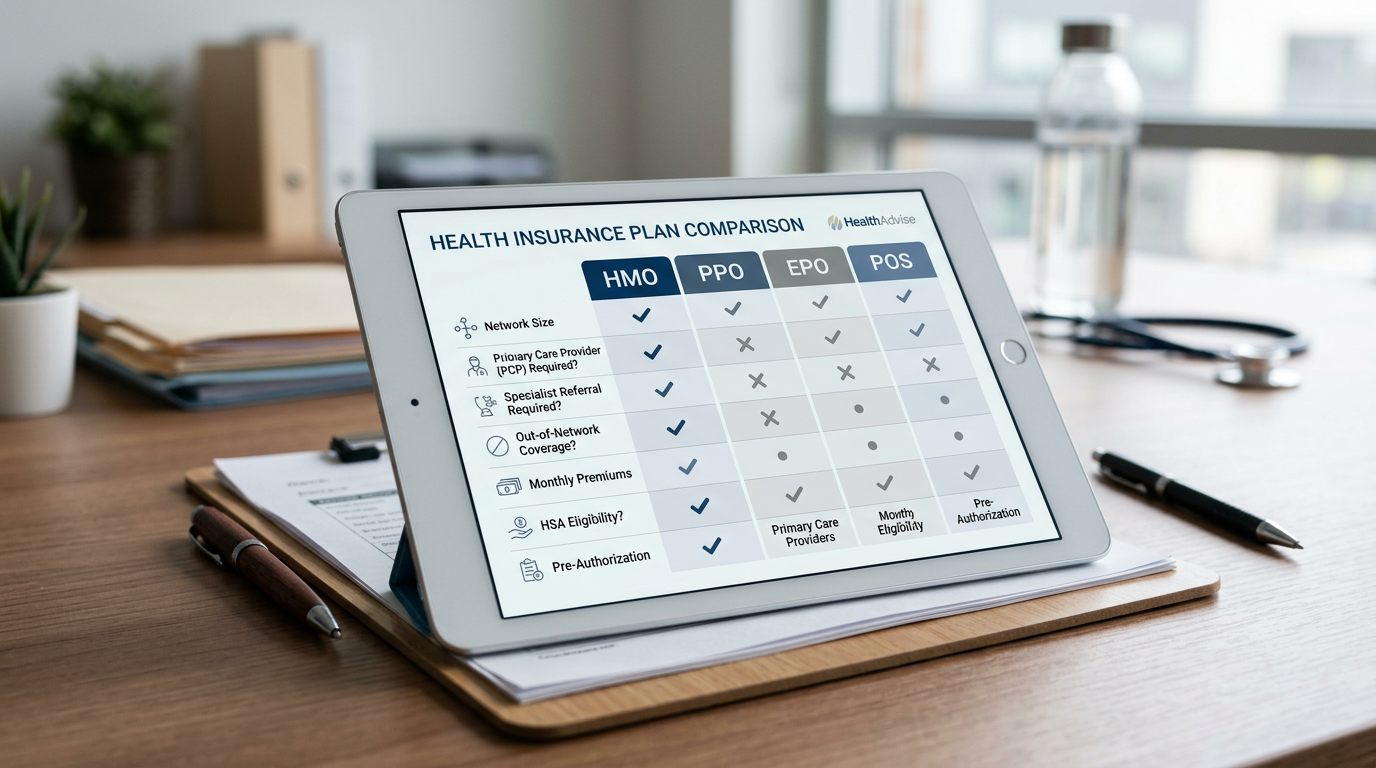
The Ultimate Health Insurance Cheat Sheet: HMO, PPO, EPO & POS Explained
Drowning in alphabet soup during open enrollment? We break down the exact differences between HMO, PPO, EPO, and POS plans with a clear comparison table to help you choose the right network.
Said Nago

Copay Accumulators: Why Your Rx Coupon Isn't Helping Your Deductible
Using a manufacturer coupon to pay for expensive medications? Your insurance company might be pocketing the savings while leaving your deductible untouched. We expose the Copay Accumulator trap.
Said Nago